

Why didn’t anyone put their hand up?
Seemingly AI is running the world already. Or so you would think given how many times it is talked about.
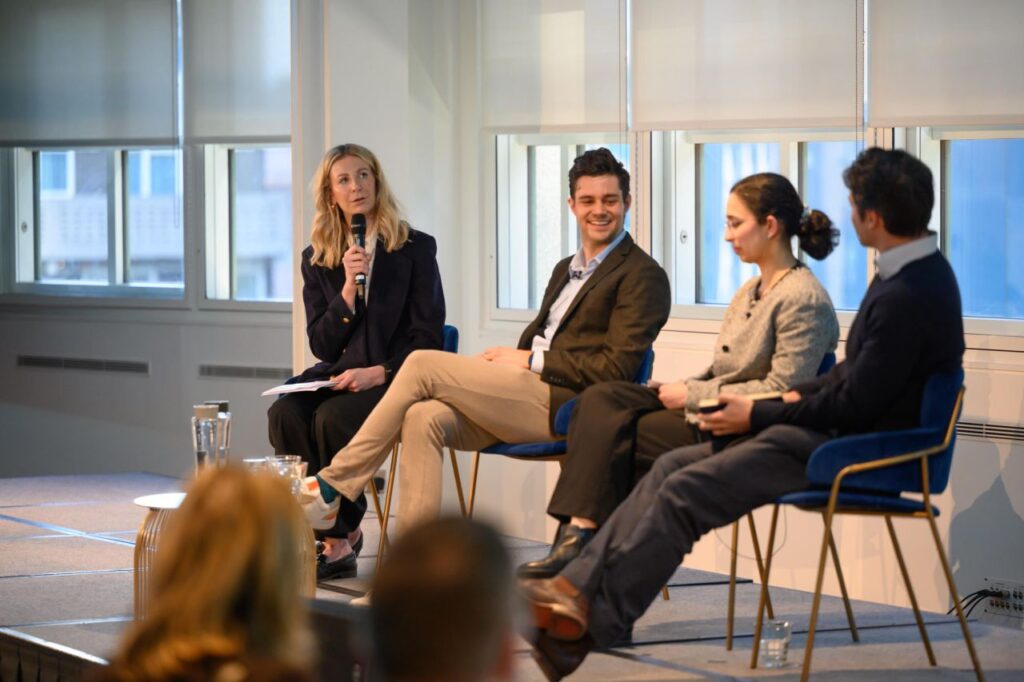
It has not, however, infiltrated the world of treasury. A show of hands at the start of my most recent talk, at the ACT Cash Management event confirmed that very few treasurers are using AI in their work with only 5% of the room saying they used AI day-to-day.
I’ll be honest, seeing this response did put me on the backfoot somewhat. In a talk about how to get the best out of your AI, to see the minimal uptake surprised me.
Upon reflection I am less surprised and let me tell you why.
The Bigger Picture
Something I believe firmly is that to be successful in treasury, or finance in general is that you have to get INTO the numbers. Really really in. You need to be touching them, understanding them and working with them. Knowing your flows, what feels right, what doesn’t. What is happening in your bank accounts and what the cadence is.
When I start working with a new business I need to see the flows in their accounts and create my own cash model before I can start designing any sort of policy and process.
Some people might say otherwise but I would readily argue that the best leaders are those who do study the reports. They open the attachments and they ask questions.
Shoving numbers into AI does not give you that same experience. Anyone who has managed an analyst before will know the challenge to draw that person away from the doing and into the bigger picture. Yes you have completed your process, and provided your reporting but what does it mean, where are we performing. Where are we at risk?
Reframing
I am not saying I agree with this point of view but I understand it. People will say, I’m too busy keeping the lights on to invest time in something new, on the treadmill and just maintaining all the processes and policies already in place. Having a tight grip on everything, making sure mistakes don’t exist. And trust is maintained.
Get messy and break stuff is the rhetoric of the start up world and couldn’t be any further from the reality of a treasury world.
Why don’t we use the AI for another reason. How about we use it to make us smarter and closer to our numbers than ever before. It is hard though, it involves slowing down, reading and refining. The tasks like data formatting and crunching we can skip, no one ever learned from doing a vlookup better than before, however asking more and more questions about the information is the future. There’s so much in treasury we would like to know but don’t have time and resources for the analysis, let’s use it for exactly that.
Get the Answers You’ve Always Wanted
Think about your last month-end. You reviewed the cash position, checked covenant headroom, reported on FX exposures. But did you get to ask why your intercompany flows were slightly off pattern? Did you have time to analyse whether your counterparty concentration risk is creeping in the wrong direction? Did you model what a 50 basis point rate move actually does to your net interest position across all facilities?
Probably not. Not because you don’t care, but because there are only so many hours and the core deliverables have to come first.
This is the case for AI in treasury. Not to replace your judgment or distance you from your numbers but to multiply the number of questions you can actually get answered. To take the analysis you’d love to commission but can’t justify the resource for, and put it within reach.
The treasurers who will thrive in the next five years won’t be the ones who handed everything off to a model and waited for answers. They’ll be the ones who stayed close to their business, understood their exposures deeply, and used AI to go further and faster than they ever could alone.
The hand-raising moment at that event told me something important. Not that treasury is behind but that it is thoughtful. Treasurers are right to be careful about what they trust and how they work.
The risk culture that makes a great treasurer is the same instinct that makes them slow to adopt anything untested.
So here is my challenge: don’t adopt AI because everyone else eventually will. Adopt it because there is a question sitting at the back of your mind about your liquidity position, your FX book, your banking relationships that you haven’t had time to properly answer. Start there. That’s your use case.